


PROCESS LIQUIDS

Chemical & Petrochemical Pumps

Compatibility starts with the process.

Chemical and petrochemical pump selection connects liquid chemistry, hydraulic duty, wetted materials and sealing requirements.

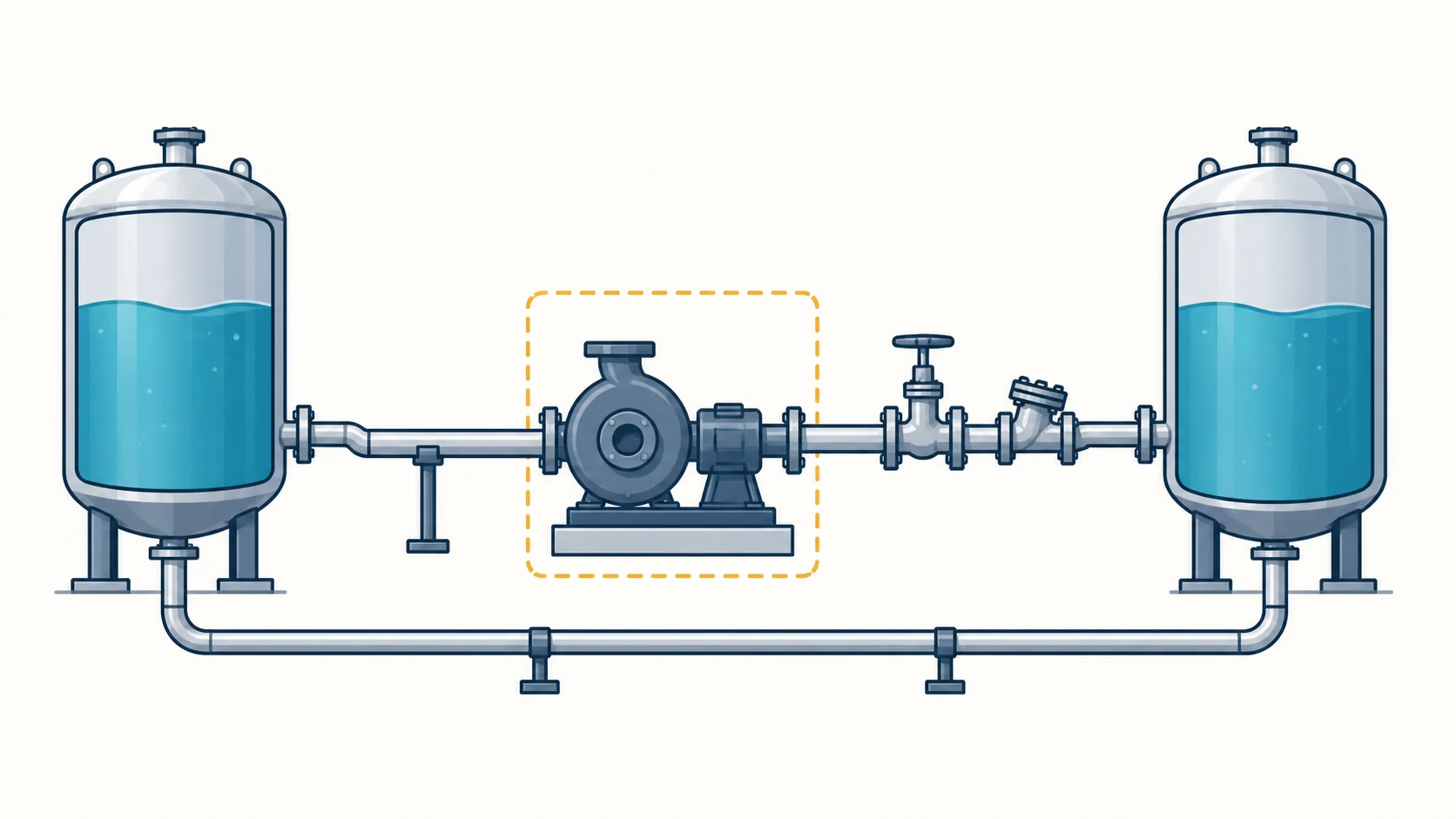
Conceptual illustration of liquid tanks, a pump and process pipework

Process context

Application illustration

01 / LIQUID IDENTITY

Select for the mixture you actually handle.

A chemical name is the starting point. Concentration, impurities and operating temperature determine the exposure.

Chemical identity

Use the chemical name and composition, with the safety data sheet where available. A trade name alone may leave important constituents unclear.

Concentration

Include normal concentration and expected variation. Compatibility at one concentration does not establish suitability across the process range.

Mixtures & impurities

Identify additives, contaminants and suspended solids. The complete mixture belongs in the material and hydraulic assessment.

02 / OPERATING DUTY

Check the operating window.

Temperature

Assess normal use and process extremes. Temperature affects material compatibility and vapour pressure.

Flow & head

Match the pump curve to the system. Liquid properties must accompany the duty values.

Inlet conditions

Available suction head and the liquid’s vapour pressure influence the margin against cavitation.

Viscosity & density

These affect hydraulic performance or power demand. Use values at the operating temperature.

INCLUDE THE WHOLE CYCLE

Cleaning & flushing

A pump also contacts cleaning and flushing fluids. Include their chemistry, concentration and temperature in the wetted-material and seal review.

03 / MATERIAL & SEAL SELECTION

Match every wetted component.

Casing material is one part of compatibility. Linings, impellers, seal faces, elastomers and gaskets also contact the process liquid.

Materials for the exposure

Compare material options against the full mixture and temperature range. A stainless-steel or fluoroplastic label alone cannot establish suitability.

Sealing for the service

Relate sealing and connection requirements to the liquid, pressure and site containment needs. Confirm applicable project standards and the selected equipment’s scope.

FOLLOW CHANGES IN EXPOSURE

One pump may see several different duties.

A process description should cover the conditions that contact the pump throughout operation. Changes in the liquid or operating state can alter the selection.

Different batches

Composition changes between runs.

A material assessed for one liquid may encounter a different concentration, additive or cleaning fluid in the next stage.

Selection focus

List each relevant exposure and its temperature range. Compare the complete wetted-material and seal system with those conditions so the selection covers the intended cycle.


Solids in the liquid

Corrosion and wear need to be considered together.

Suspended particles introduce passage and wear considerations alongside chemical compatibility.

Selection focus

Add particle size and concentration to the liquid data. Compare the proposed construction and sealing against both effects; chemical resistance by itself does not describe a suitable solids-handling duty.

Temperature & inlet

Hotter or more volatile service changes the review.

Liquid vapour pressure and the inlet conditions influence the available suction margin, while temperature also affects materials and seals.

Selection focus

Keep source pressure, liquid temperature and inlet losses with the hydraulic duty. Use the selected equipment’s applicable suction and operating limits rather than a room-temperature water assumption.

Match the pump type to the process.

BBP’s chemical-pump range includes transfer, submerged and higher-head designs. Match the design to your liquid and installation.

Transfer & circulation

End-suction chemical pumps are an option for suitable corrosive liquids with water-like properties.

Sump & submerged duties

Vertical chemical pumps place the pumping end within the process vessel or sump.

Higher-head processes

Multistage process pumps serve higher-head duties. Selection depends on the liquid and model limits.

Compare the process-pump range

APPLICATION QUESTIONS

Questions before specifying a process pump.

A complete liquid and operating description allows material, hydraulic and sealing decisions to be compared against the same requirement.

How do I choose chemical pump materials?

The choice depends on the chemical mixture, concentration, temperature and other service conditions. Also compare every wetted component, including seal faces, elastomers and gaskets. The material name or a general resistance table is a starting point for the selected equipment review.

Can the same pump handle production and cleaning liquids?

Assess both exposures as part of one duty, including cleaning concentration, temperature and any residues or mixtures. Confirm that the proposed wetted materials and sealing are suitable for the complete stated cycle before adopting a common pump arrangement.

What if the medium is viscous or contains fibres?

Provide the viscosity at operating temperature and describe the solids or fibres. A water-like liquid assumption may be unsuitable. BBP’s range also includes single-screw pumps for suitable viscous or solids-bearing duties; compare that option with the process conditions and model limits.

Match the pump to your process conditions.

Share the liquid data, operating range and cleaning cycle with BBP to discuss pump selection, materials and sealing.