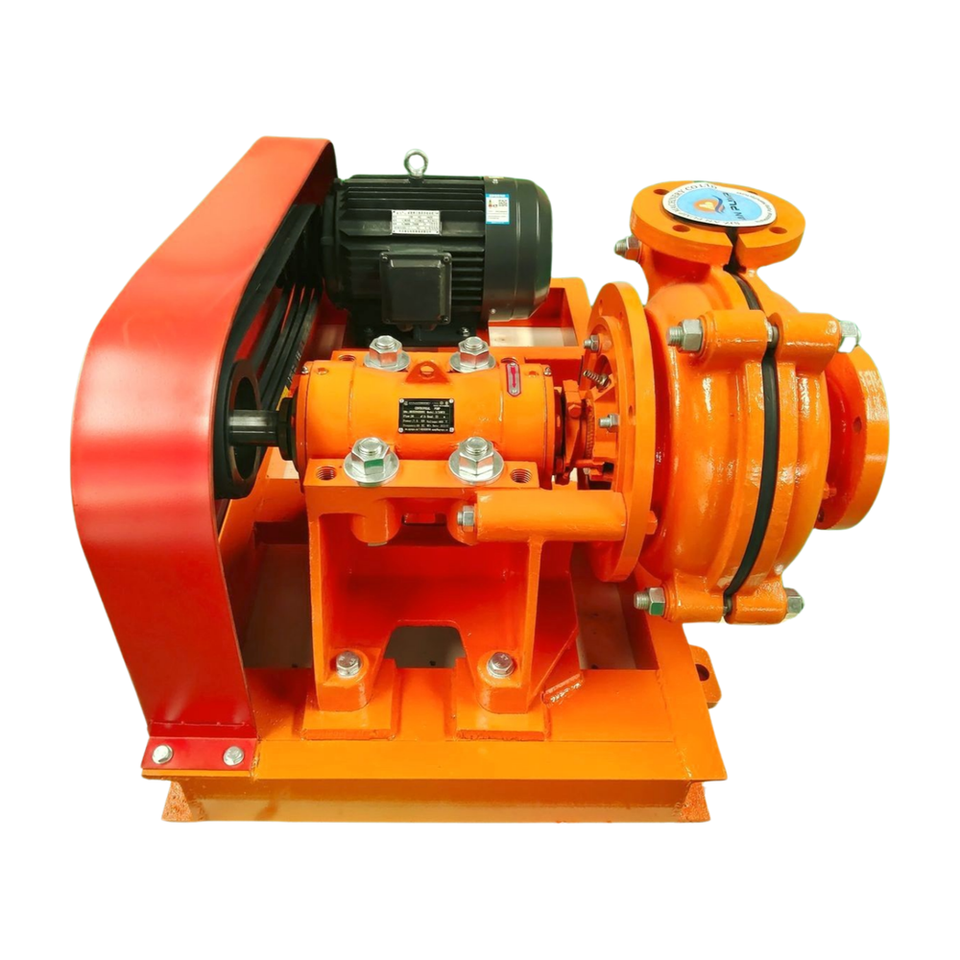
Slurry Pumps for Mining and Solids Handling
Explore five BBP slurry pump series for abrasive and solids-bearing liquids. Compare horizontal, sump and submersible arrangements, wetted materials and product documents, then review the selected model against your actual slurry duty.
Parameter Selection — Data Required for a Preliminary Shortlist
1. Hydraulic Duty
Minimum, normal and maximum flow; total head; operating range; and the system-curve basis where available.
2. Slurry & Solids
Concentration basis; liquid and solids SG; density; PSD or D80; maximum size; hardness; shape; pH; and temperature.
3. Installation & Suction
Dry, vertical sump or submersible arrangement; suction or submergence; levels; layout; retrieval; and maintenance access.
4. Supply Scope
Single pump or pump set; driver; voltage and frequency; seal-water availability; controls; accessories; and spares.
Start with the Actual Duty, Not a Pump Family Name
ANSI/HI 12.1–12.6 treats centrifugal slurry-pump application, installation, operation and maintenance as a distinct engineering problem because solids can change pump performance, wear and pipeline behaviour. Peer-reviewed research likewise shows that concentration, particle-size distribution, particle properties, slurry flow behaviour and materials interact; a label such as ‘slurry’ is not an adequate selection basis. [1–4]
This page therefore performs one customer task: it shows which BBP series should be reviewed first from the submitted duty. A preliminary shortlist is not a final model commitment. BBP must still check the applicable current curve, operating range, suction or submergence, absorbed power, wetted materials, seal arrangement, GA and quoted supply scope. [5–7]
Minimum Data for a Comparable Review
At minimum, submit flow, total head, installation type, medium and solids concentration with its weight-or-volume basis. Add density, PSD or D80, maximum particle size, hardness, shape, pH, temperature and suction data when available. Missing advanced inputs may allow a series shortlist, but not a confirmed material, power or model selection.
Compare Five BBP Slurry Pump Series
The first hard filter is installation: horizontal, vertical, vertical sump or fully submersible. The cards explain the role of AM, AZ, AZL, BP/BPR and QSZ; they do not replace a model-specific curve and configuration review.
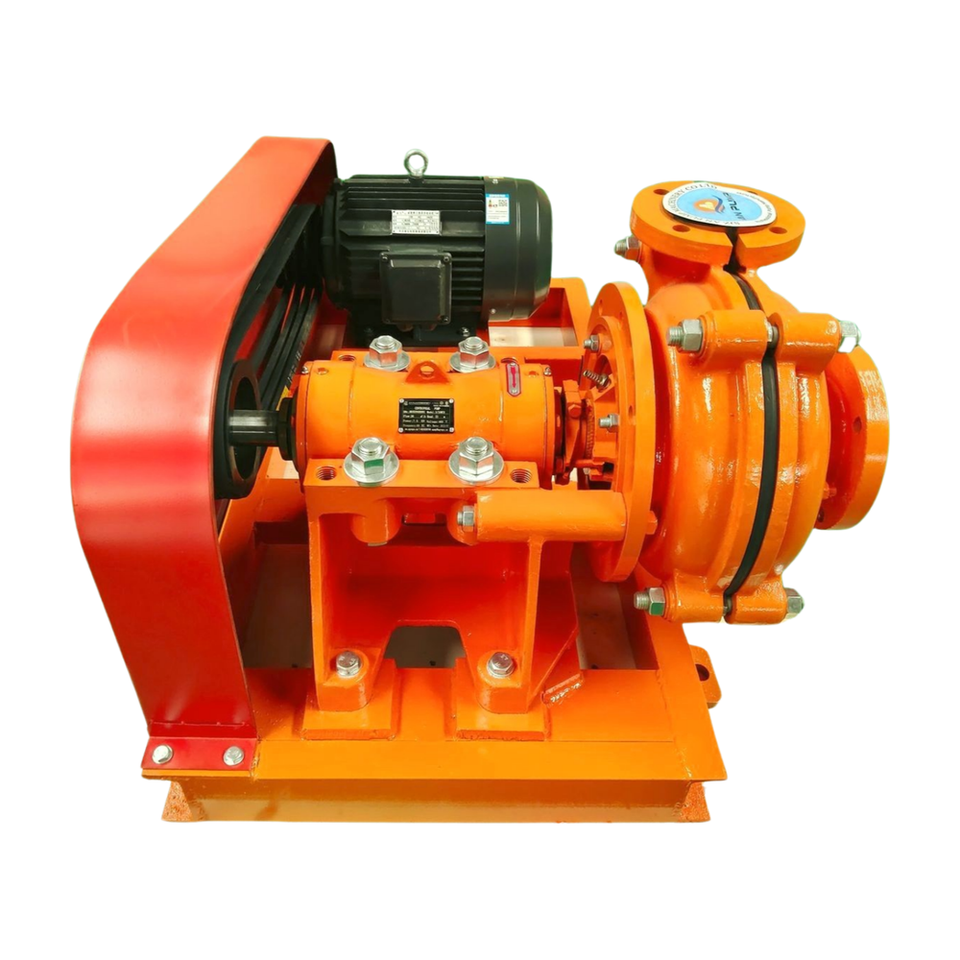
AM Horizontal Slurry Pump
A horizontal cantilevered centrifugal slurry-pump direction for heavy-duty abrasive transfer in mining and mineral processing.
- Arrangement
- Horizontal
- Review
- Slurry and hydraulic duty
- Typical direction
- Mining and mineral processing
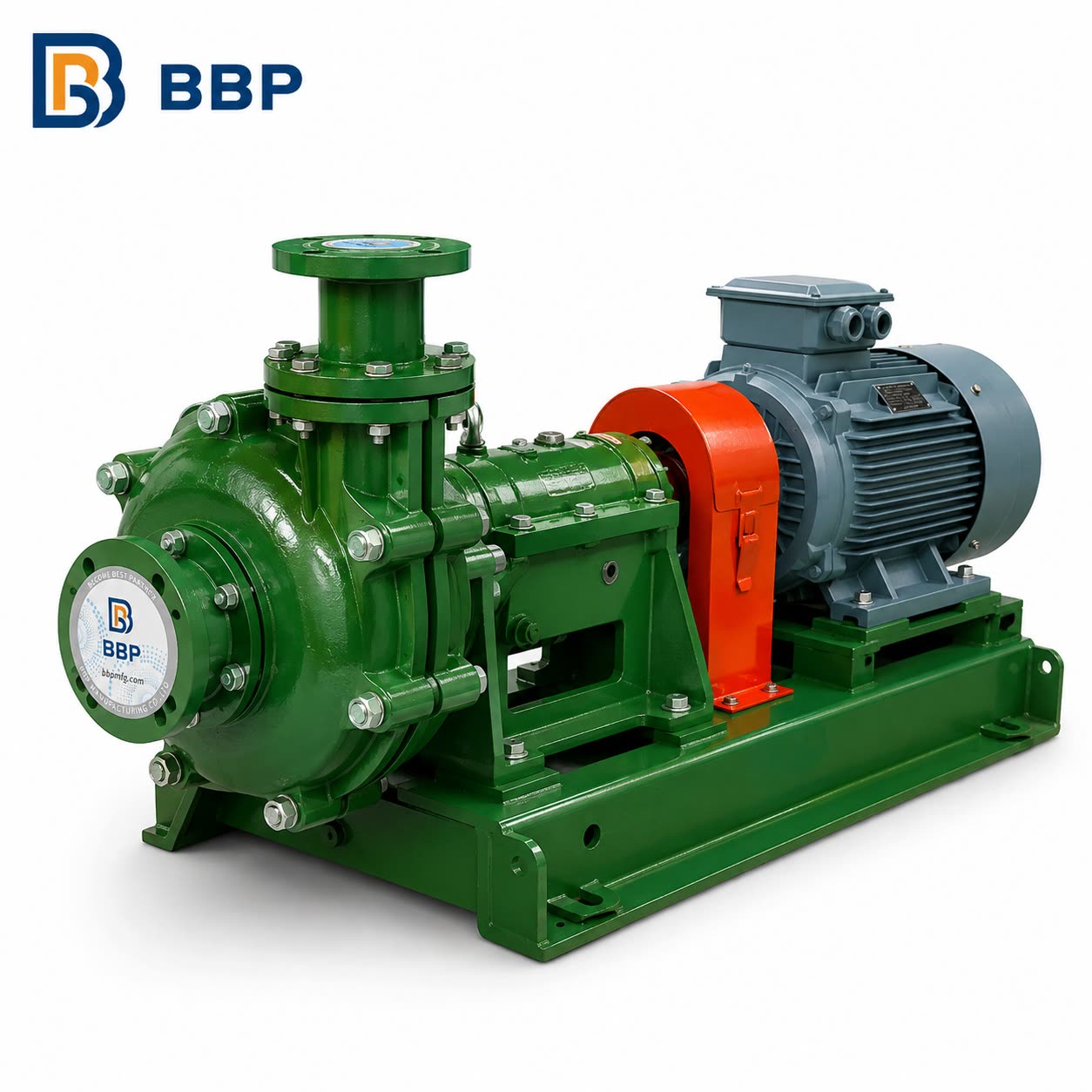
AZ Horizontal Slurry Pump
A horizontal slurry-pump direction for ash, coal slurry, ore slurry and heavy-media duties.
- Arrangement
- Horizontal
- Review
- Solids, particle, flow and head
- Typical direction
- Ash, coal and ore slurry
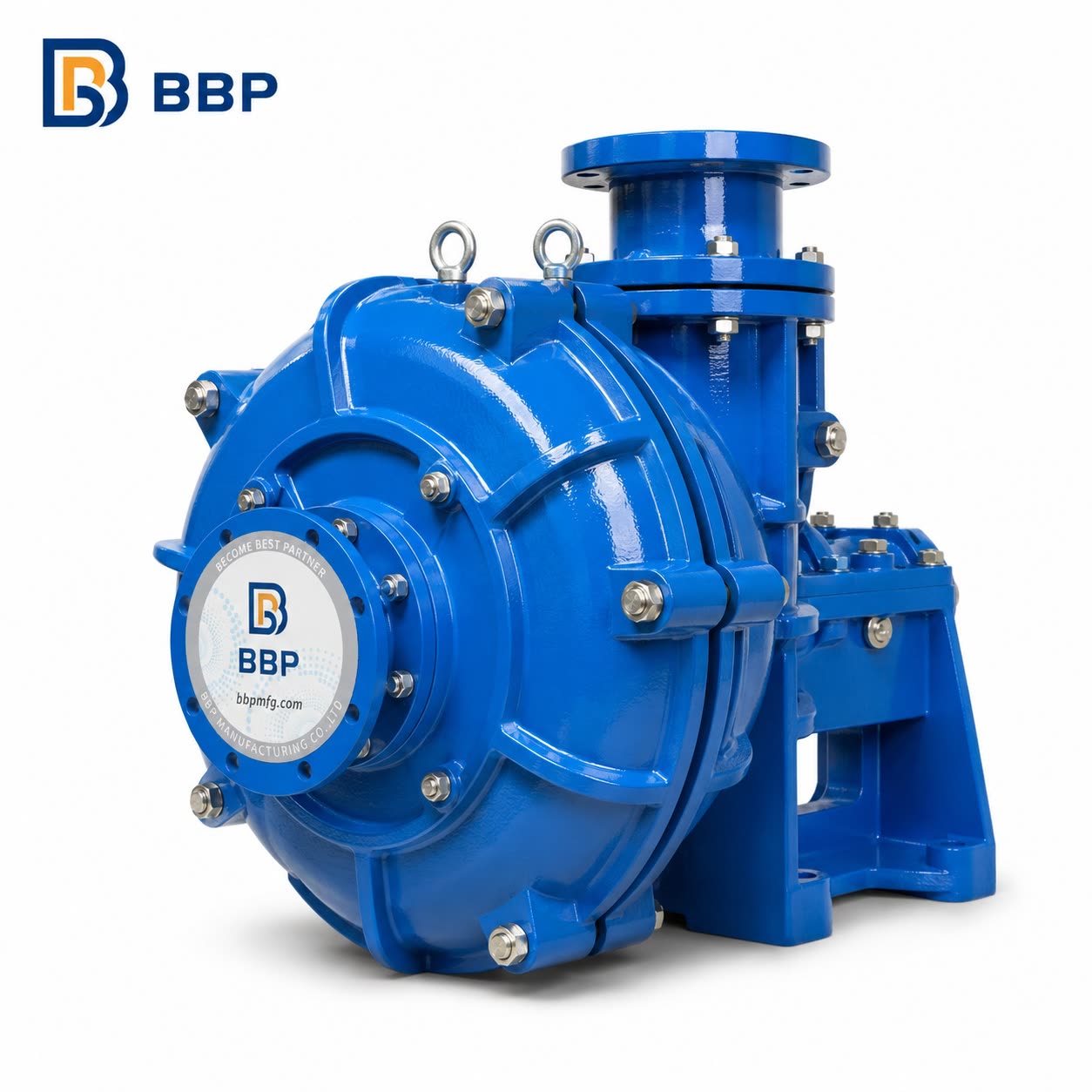
AZL Vertical Slurry Pump
A vertical slurry-pump direction for abrasive solids-handling duties where the arrangement suits the sump and installation conditions.
- Arrangement
- Vertical
- Review
- Immersion and access
- Typical direction
- Vertical solids handling
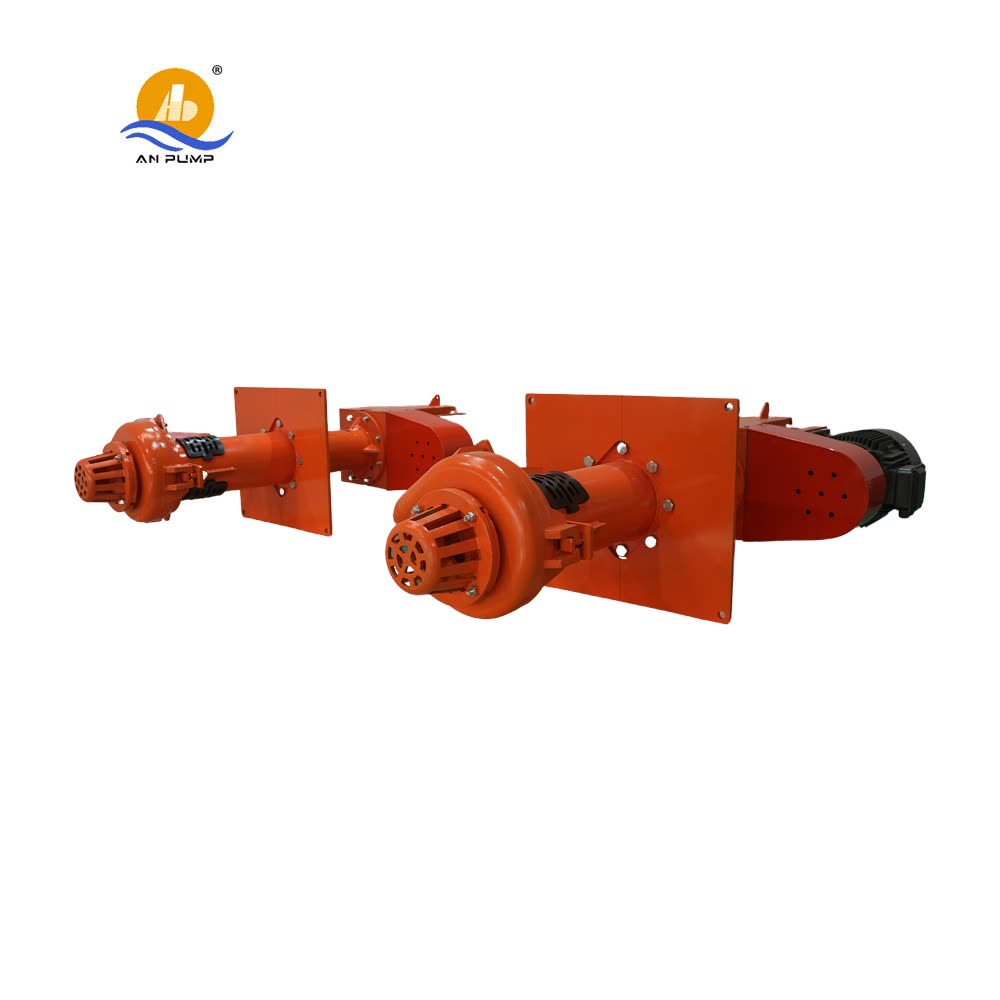
BP/BPR Vertical Sump Slurry Pump
A vertical sump slurry-pump direction for coarse, concentrated or abrasive slurry; metal and rubber-lined routes are reviewed separately.
- Arrangement
- Vertical sump
- Review
- Pit geometry and liquid level
- Typical direction
- Tailings and sump duties
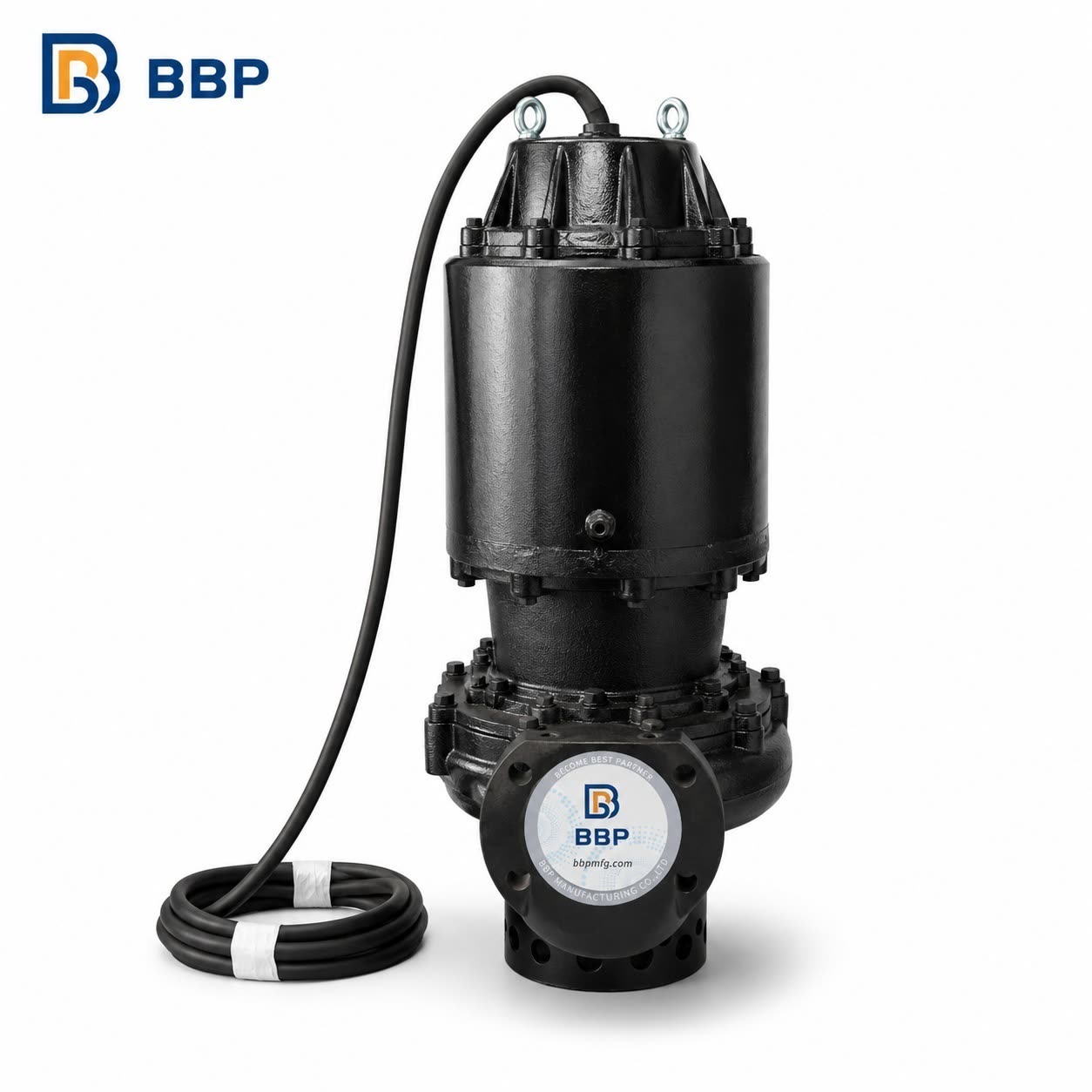
QSZ Submersible Slurry Pump
A submersible slurry-pump direction for underwater sediment, desilting and solids-laden transfer.
- Arrangement
- Submersible
- Review
- Water depth and particles
- Typical direction
- Sediment and desilting
What Happens After the Shortlist
BBP reviews the submitted duty against the current model data, then defines the proposed pump, wetted materials, seal, driver and package scope in writing.
- Online result
- Preliminary series shortlist
- BBP review
- Current model curve and GA
- Quotation
- Confirmed configuration and supply scope
Which BBP Series Should Be Reviewed First?
| Customer Duty | Installation Condition | Data That Decides | BBP Series to Review First | BBP Must Still Confirm |
|---|---|---|---|---|
| Continuous abrasive transfer | Dry horizontal pump | Flow range, total head, slurry density, concentration and particle data | AM or AZ | Current model curve, operating range, power, materials and seal |
| Open pit or sump service | Vertical pump with defined liquid levels and immersion | Sump geometry, minimum and maximum level, immersion, solids and access | AZL or BP/BPR | Model arrangement, immersion, dimensions, materials and maintenance clearance |
| Underwater sediment or desilting | Fully submersible installation | Water depth, solids, maximum particle size, cable route and retrieval method | QSZ | Selected-model limits, motor data, cable, installation and retrieval scope |
| Coarse-particle or high-solids duty | Arrangement must be chosen from site conditions | PSD or D80, maximum size, concentration basis, density, hardness and shape | AM, BP/BPR or QSZ, after the installation filter | Solids-passage basis, current curve, material route and operating risk |
| Long pipeline or higher-head transfer | Normally horizontal; system-dependent | Static head, pipe data, friction, rheology, system curve and deposition risk | AM or AZ, subject to the applicable curve | Duty point, operating range, absorbed power, NPSH margin and pipeline velocity [5–7] |
This is a preliminary BBP series shortlist, not a model selector result. Only a series that passes the installation and duty screen should proceed. A model is confirmed only after review of the applicable current curve, GA, material and seal schedule, operating conditions and quoted supply scope.
Material Decision
The series shortlist does not select metal or elastomer. BBP reviews abrasion, corrosion, impact, particle data, chemistry, temperature and the current model options before naming the wet-end construction.
Seal & Installation Decision
Seal and configuration depend on dry, sump or submersible installation, suction conditions, service-water availability, dilution limits, lubrication and maintenance access.
Three-Step Preliminary Selection
Establish the hydraulic and installation boundary
Record minimum, normal and maximum flow, total head, operating hours and the system basis. Then identify whether the pump is dry horizontal, vertical, vertical sump or fully submersible. These inputs eliminate series that do not fit the installation before any model is discussed.
For suction service, provide liquid levels, suction layout and NPSHA where available. For long pipelines, provide pipe size, length, elevation, fittings, rheology or viscosity data and the system curve. Operating range and NPSH margin are application-specific checks, not fixed website values. [5–7]
Characterize the slurry, then define the supplied equipment
- Step 2 — Slurry: state concentration by weight or volume, liquid and solids SG, mixture density, PSD or D80, maximum particle size, hardness, shape, pH, temperature and composition. [1–4]
- Step 3 — Supply scope: state single pump or pump set, motor or engine, voltage and frequency, duty/standby philosophy, seal-water availability, controls, accessories, spares, inspection and document requirements.
- Result: BBP can explain why one or more of AM, AZ, AZL, BP/BPR or QSZ should proceed to model review.
- Final confirmation: proposed model, current curve, GA, materials, seal, driver and order scope are recorded in the technical offer.
If advanced slurry or system data are missing, the output must stop at a preliminary series direction. It must not state a confirmed model, efficiency, power, NPSHr, material or service-life result.
Wetted Materials, Seals and Pump-Set Configuration
No universal particle-size threshold selects a material for every pump. Abrasion, corrosion, impact, chemistry, temperature, operating point and the current model limits must be considered together.
Wear-Resistant Metal
Compare particle hardness, angularity, size, impact and operating speed with the stated metal grade and part construction.
Elastomer Options
Check particle size, chemistry, temperature, speed and model limits before choosing a rubber-lined or other elastomer route.
Seal Arrangement
Compare packing, expeller-assisted and mechanical-seal routes against dilution limits, service water and maintenance access.
Driver & Pump-Set Scope
Confirm absorbed power across the expected duty range, motor or engine, baseplate, coupling, guards, controls and accessories.
From Pump Series to a Model Proposal
A useful recommendation must show what was screened, what document supports the proposed model and what remains conditional. The five BBP series are compared against one submitted duty; the technical offer then records the model-specific evidence and order scope.
| Decision Stage | BBP Evidence Used | Customer Receives | Still Requires Confirmation |
|---|---|---|---|
| 1. Series screen | Submitted duty plus the registered AM, AZ, AZL, BP/BPR and QSZ series documents | One or more series to review first, with the reason for inclusion or exclusion | Exact model and performance |
| 2. Hydraulic review | Applicable current model curve, speed or impeller basis and submitted duty points | Proposed operating point and driver basis recorded in the technical offer | Agreed operating range, tolerances and any project test basis |
| 3. Slurry and wet-end review | Submitted concentration, density, particle, chemistry and temperature data plus current model options | Proposed wet-end material and seal arrangement with stated assumptions | Final material and seal schedule for the order |
| 4. Installation review | Suction or submergence data, liquid levels, layout, interfaces and applicable GA or dimension drawing | Proposed arrangement and interface dimensions for review | Approved project drawing and site interfaces |
| 5. Supply-scope review | Single-pump or pump-set requirement, driver, accessories, inspection and document list | Quotation-defined equipment, exclusions and handover deliverables | Final order scope, ITP and document register |
Current Model Curve
The proposed duty point, curve revision, speed or impeller basis and driver assumption must be identifiable.
Applicable GA Drawing
Connections, orientation, base, driver, guards, lifting and maintenance clearances must match the proposed configuration.
Material & Seal Schedule
Wet-end component names, proposed grades, seal arrangement and stated duty assumptions must be recorded in writing.
Agreed Handover List
Required reports, drawings, manuals, certificates, packing records, language and revisions are defined for the order scope.
BBP Slurry Pump Equipment and Selection Support
A buyer should not have to translate the same duty five different ways. BBP can screen AM, AZ, AZL, BP/BPR and QSZ from one submitted hydraulic, slurry and installation brief, then state why a series proceeds to model review. This reduces the risk of comparing family names that do not fit the same installation.
For the proposed configuration, request the current model curve and applicable GA, then agree the wet-end material, seal, driver, single-pump or pump-set scope, inspection points and handover documents in the technical offer. BBP’s documented workflow covers casting, heat treatment, machining, assembly, inspection, testing, painting, packing and shipment; the actual reports and documents remain project-specific.
BBP Manufacturing & Engineering Profile
- International supply
- 100+ countries
- Production facilities
- Over 50,000 m²
- Professional engineers
- 70+
- Sales and support engineers
- 20+
Evidence Behind the Supply Process

Production environment
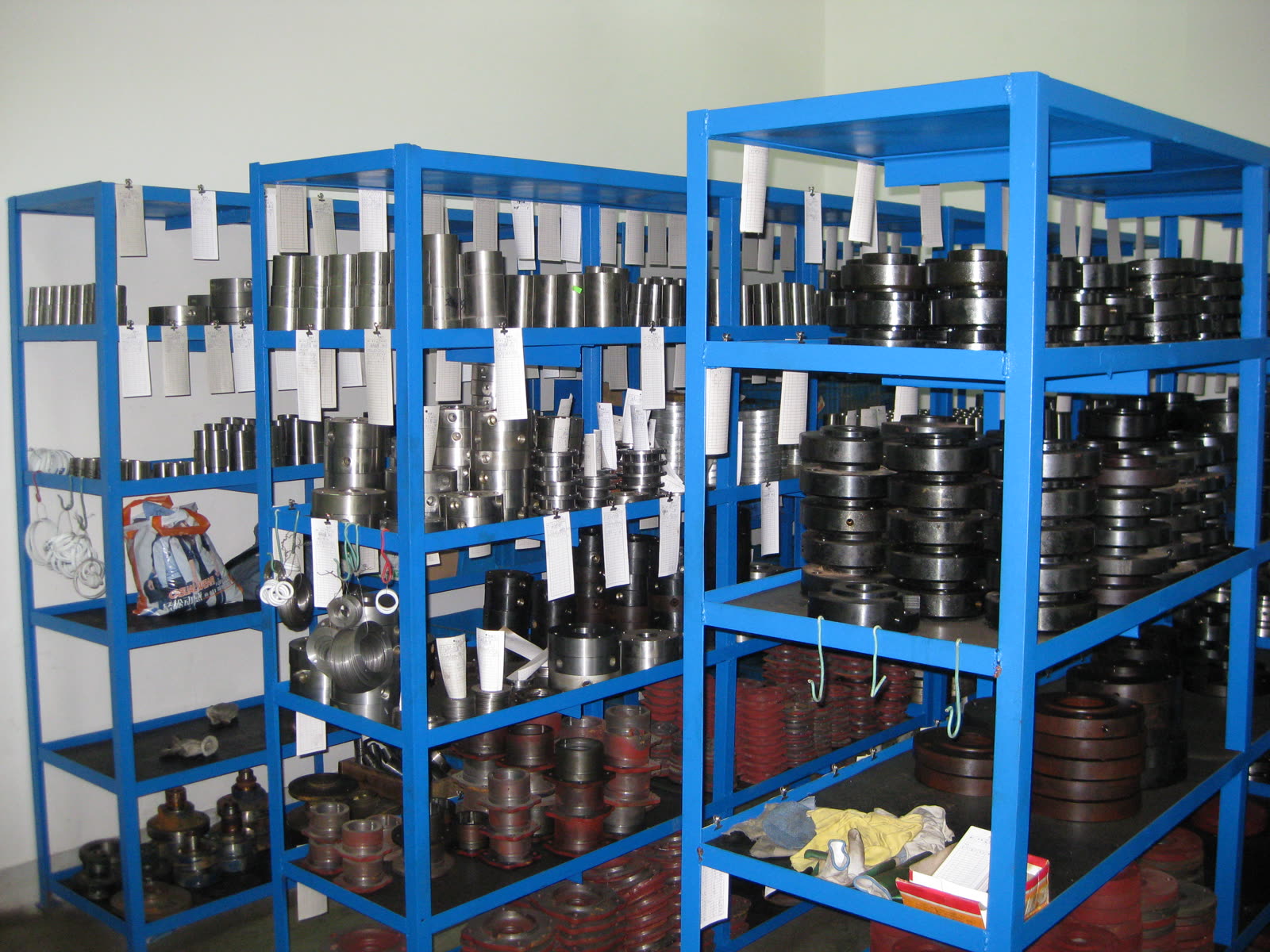
Components and machining
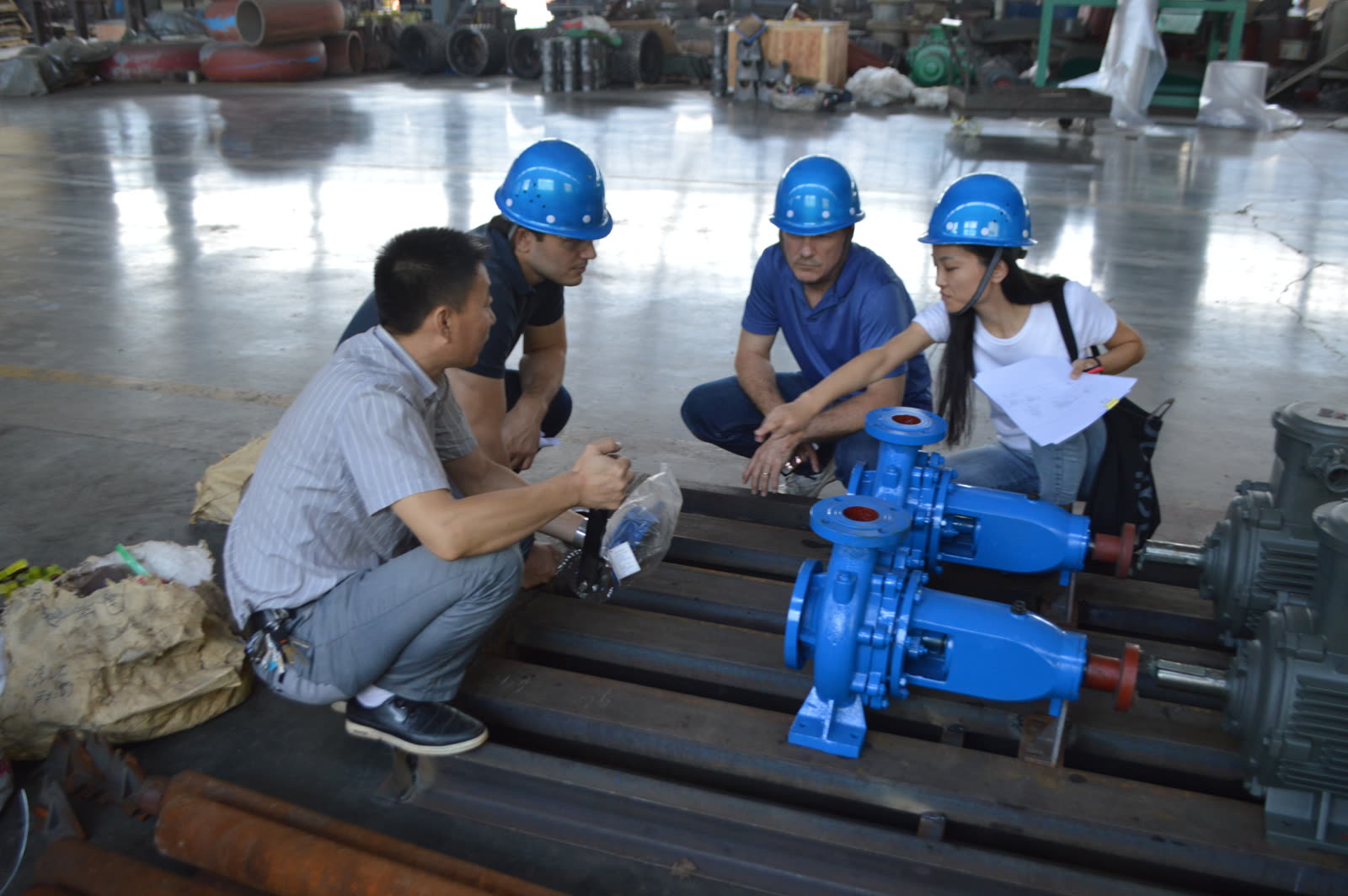
Inspection and review
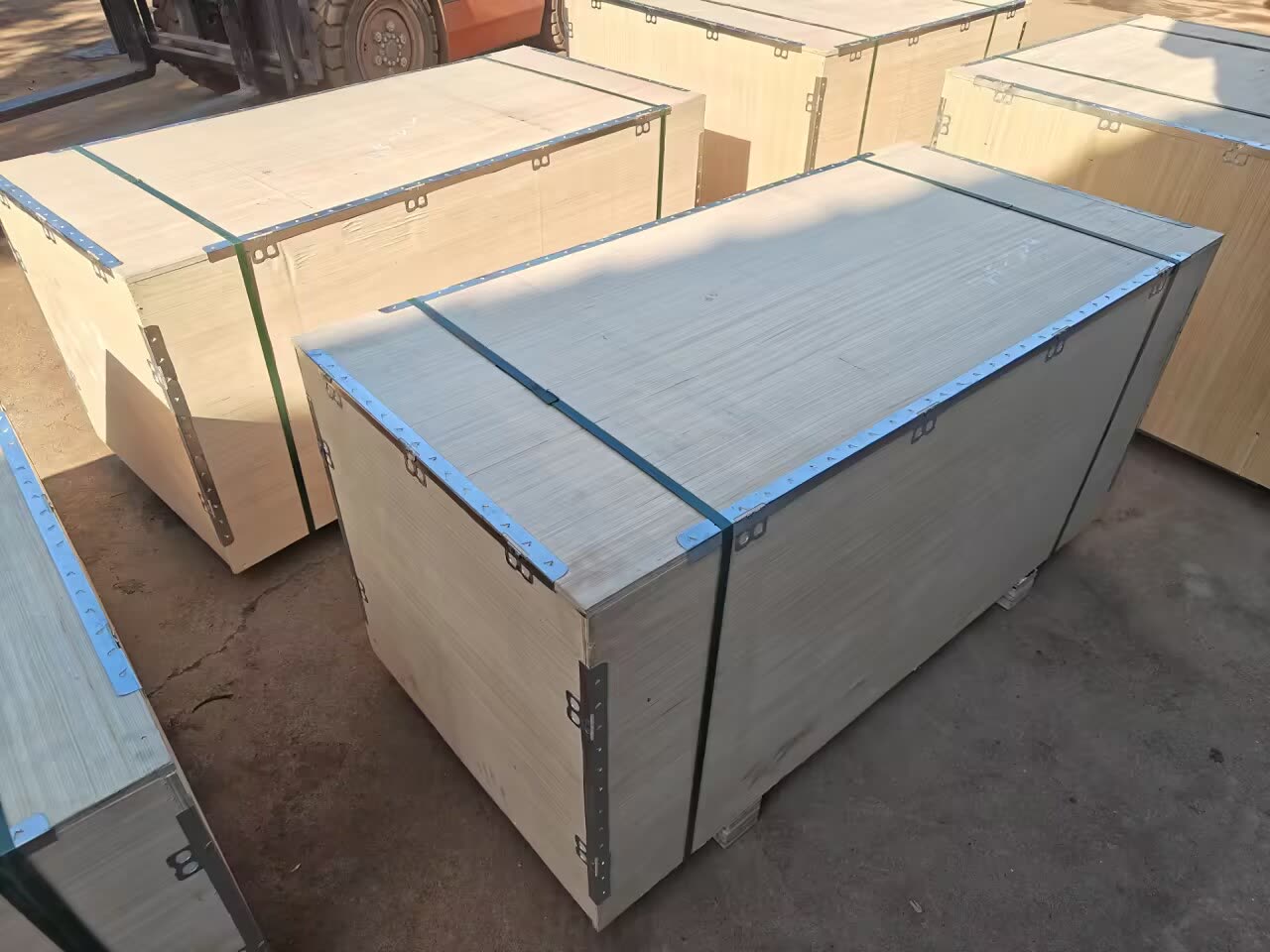
Packing and shipment
What Affects Slurry Pump Price, Lead Time and Supply Scope?
Price and lead time are outputs of the technical and commercial scope. Two pumps with the same nominal flow and head may still differ in model size, speed, materials, sealing, driver, testing, documents, spares and delivery responsibility.
Duty and system basis
Provide minimum, normal and maximum flow, total head, system curve where available, operating hours and duty/standby philosophy.
Slurry characterization
State concentration basis, densities, particle distribution and maximum size, hardness, shape, pH, temperature and composition.
Materials and sealing
Define abrasion, corrosion, dilution limits, service-water availability, seal preference and target maintenance strategy.
Package and power scope
List single pump or set, motor or engine, voltage and frequency, baseplate, coupling, guards, controls, accessories and spares.
Inspection and documents
Define ITP, witness points, hydraulic test basis, material records, GA, manuals, certificates, language and final document register.
Commercial and site scope
Confirm quantity, schedule, trade terms, packing, destination, storage, unloading, installation, commissioning and field-service boundaries.
Send one duty sheet and one scope list so technical differences remain visible when quotations are compared.
What the Customer Gets at Each Review Stage
- Preliminary Series ShortlistBBP explains which of the five series should proceed and which submitted condition drives that decision.
- Model-Specific Technical OfferThe proposed model, curve basis, materials, seal, driver and pump-set scope are defined from the available duty data.
- Order DocumentationThe approved configuration, GA, inspection points and handover documents are agreed for the actual order scope.
What This Page Can Decide — and What It Cannot
Preliminary Online Selection
Use installation, hydraulic duty and available slurry data to identify which of the five BBP series should be reviewed first. The result is a shortlist with reasons, not an exact model output.
Final Model Confirmation by BBP
Exact model, operating point, efficiency, absorbed power, NPSHr, materials, seal, GA and pump-set scope require the applicable current model data and a written BBP technical review.
Current BBP Product Documents and Management-System Certificates
The five series documents below support a preliminary product review. Catalog family ranges are not project duty points: request the current curve and applicable GA for the proposed model, speed, impeller and configuration.
Slurry Pump Range Brochure
Overview of the current BBP slurry-pump range.
AM Catalog & Performance Data
AM series reference with performance charts, data tables and construction information.
AZ / AZL Manual
AZ and AZL reference with construction drawings, performance charts and tables.
BP / BPR Sump Pump Catalog
BP and BPR reference with performance data, construction and dimensional information.
QSZ Submersible Pump Manual
QSZ reference with performance data, structure and installation dimensions.
Project GA & Curve Review
Request the applicable current curve and GA drawing for the selected model and configuration.
ISO 9001, ISO 14001 and ISO 45001 Management-System Certificates
Certificate holder: SHIJIAZHUANG AN PUMP MACHINERY CO.,LTD
- Standards
- ISO 9001:2015 · ISO 14001:2015 · ISO 45001:2018
- Certificate numbers
- 73825Q0650R0S · 73825E0436R0S · 73825S0418R0S
- Scope
- Sales and related management activities of centrifugal pumps
- Certificate period
- 18 Nov 2025 – 17 Nov 2028
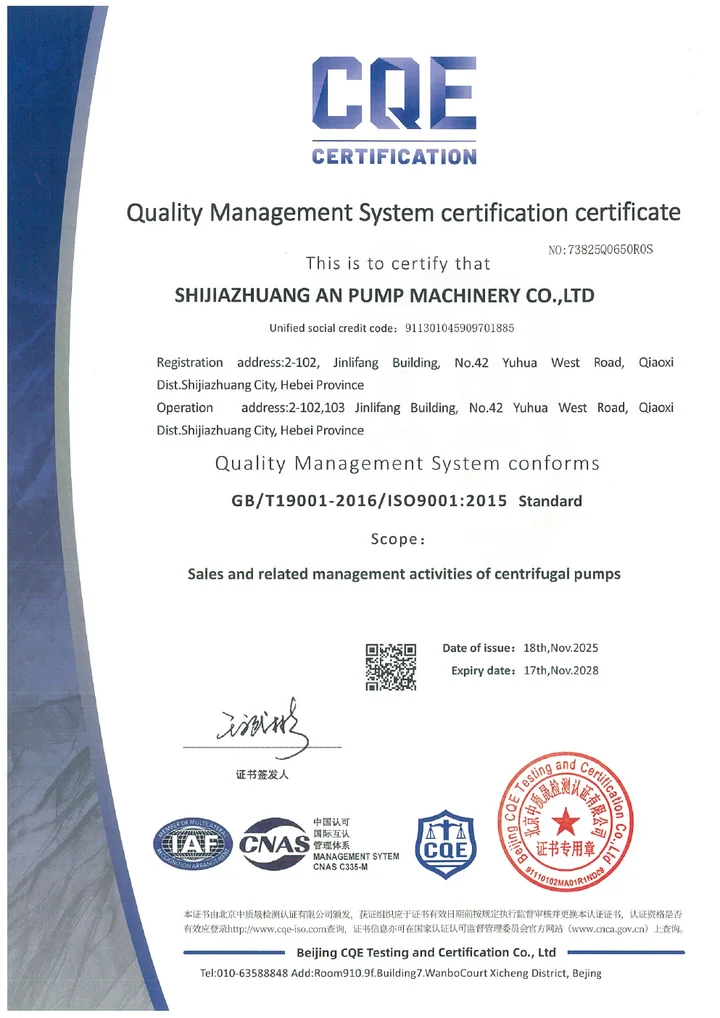
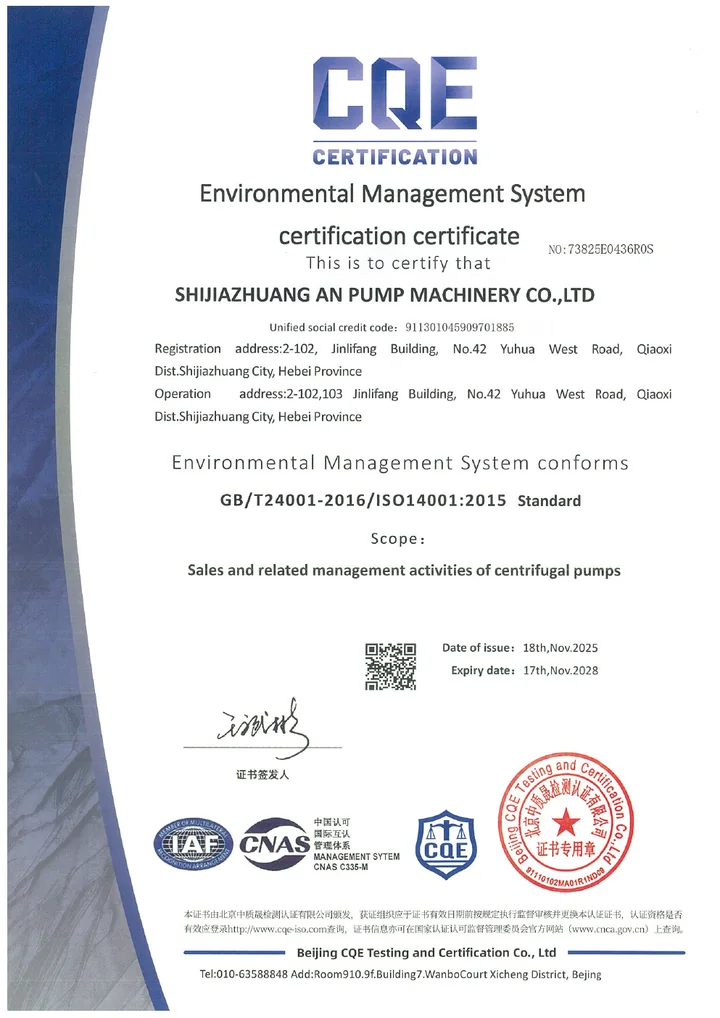
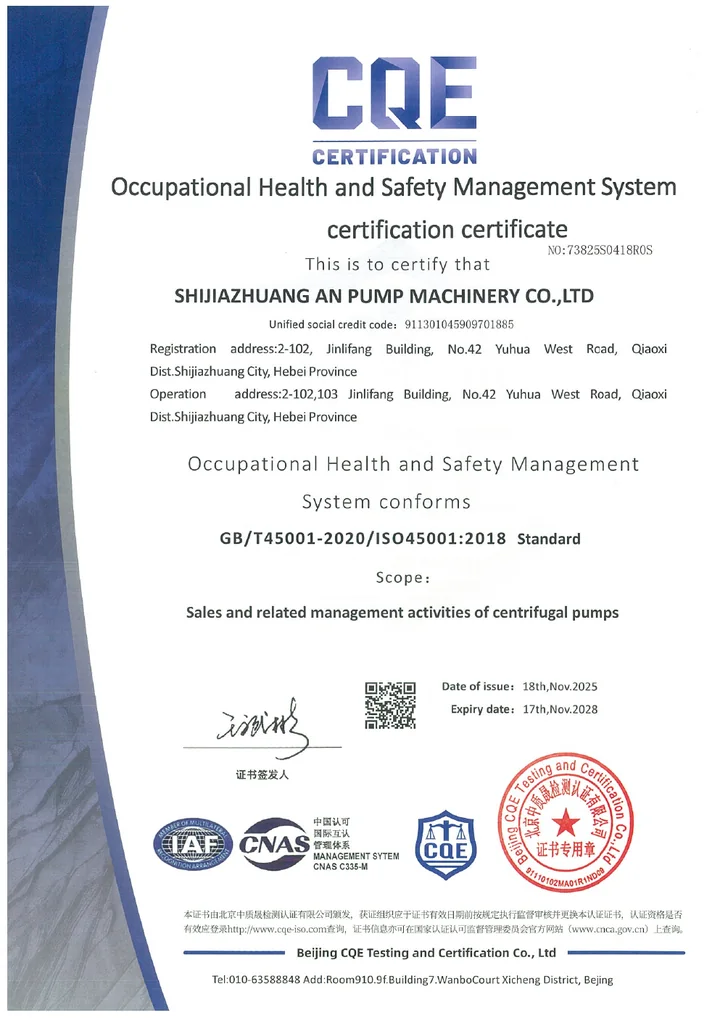
Certificate banner: the PDF contains the three management-system certificates for the stated holder, numbers, scope and validity period. They are not product certifications or evidence of a specific pump’s performance.
Prepare Your Slurry Duty for Selection
1. Submit Basic Duty
Send flow, total head, installation type, medium and solids concentration with its weight-or-volume basis.
2. Add Advanced Slurry Data
Add SG, density, PSD or D80, maximum particle size, hardness, shape, chemistry, temperature and suction conditions.
3. Request Model Evidence
For the proposed configuration, request the current model curve, applicable GA, material and seal schedule and quotation-defined scope.
Frequently Asked Questions
Get a Preliminary BBP Series Shortlist
Send the available duty, slurry, installation and supply-scope data. BBP will identify which of AM, AZ, AZL, BP/BPR or QSZ should proceed, explain the reason and list any information still required before model confirmation.
References for the Numbered Engineering Statements
The numbered sources support only the general engineering statements marked [1]–[7]. They do not certify BBP products, prove a model’s performance or replace the current BBP curve, GA, material schedule, test record or written project confirmation.
- [1] Hydraulic Institute. ANSI/HI 12.1–12.6-2021.Rotodynamic Centrifugal Slurry Pumps for Nomenclature, Definitions, Application, and Operation. General slurry-pump application framework; not evidence of BBP conformity.
- [2] Tarodiya, R.; Gandhi, B. K. (2017).“Hydraulic performance and erosive wear of centrifugal slurry pumps—A review.” Powder Technology, 305, 27–38. DOI: 10.1016/j.powtec.2016.09.048.
- [3] Wang, Y. et al. (2022).“Experimental Study on the Influence of Particle Diameter, Mass Concentration, and Impeller Material on Wear.” Frontiers in Energy Research, 10:893385. DOI: 10.3389/fenrg.2022.893385.
- [4] Bandi, A. et al. (2023).“Effects of sediment properties on abrasive erosion of a centrifugal pump.” Chemical Engineering Science, 277, 118873. DOI: 10.1016/j.ces.2023.118873.
- [5] Feng, Y. et al. (2023).“Flow regime and critical deposition velocity of liquid-solid two-phase flow in pipeline: Progress and perspectives.” Physics of Fluids, 35, 101301. DOI: 10.1063/5.0172006.
- [6] Hydraulic Institute. ANSI/HI 9.6.1-2024.Rotodynamic Pumps — Guideline for NPSH Margin. A project check still requires the applicable NPSHR and system NPSHA basis.
- [7] Hydraulic Institute. ANSI/HI 9.6.3-2024.Rotodynamic Pumps — Guideline for Operating Regions. A model-specific POR or AOR still requires the applicable current curve and manufacturer review.
Prepare Your Duty Data
Organize the slurry, particle, hydraulic, material and installation inputs needed before selection.
Mining and Tailings Pump Solutions
Compare pump arrangements for mining, mineral processing, tailings and ore-handling duties.
Browse All Industrial Pumps
Compare slurry, water, wastewater, chemical and packaged-system product families.