

ABRASIVE SLURRY TRANSFER

Slurry Pumps for Mining & Tailings

Select mining slurry pumps for the wear, settling and transfer conditions of your tailings route.

Protect transfer continuity

Frequent wear-part changes or blocked lines interrupt production. Start with the slurry and system conditions behind the problem.

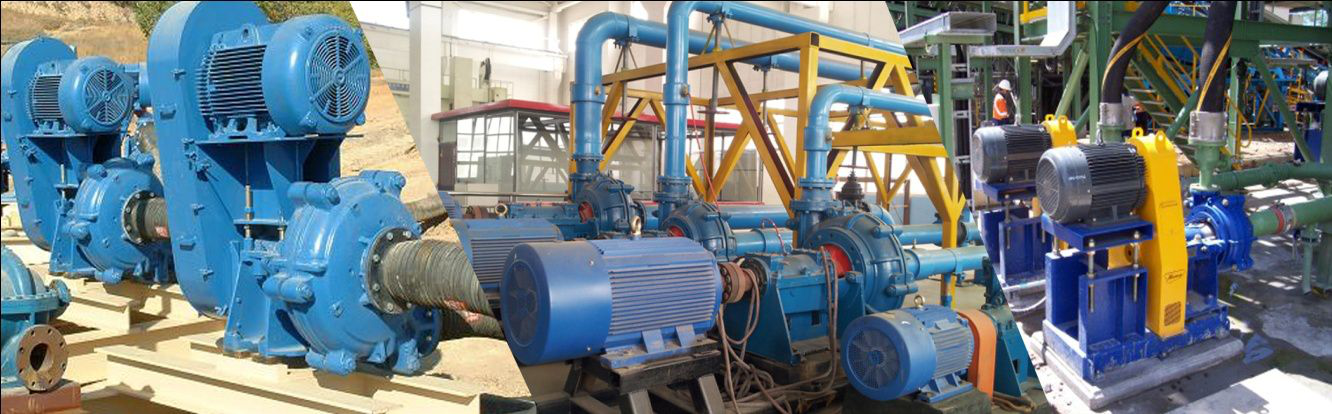
Blue pump equipment and process pipework from the AM catalogue

AM catalogue photography

Connect pickup, transport and discharge

1

Collection point

2

Pipeline & elevation

3

Discharge point

01

Match wear parts to the slurry

Particle size, shape and concentration affect how the slurry wears the pump. Chemistry also matters when comparing metal and elastomer wetted parts. AM slurry-pump construction includes replaceable liners and impellers, allowing wear parts to be considered separately from the complete pump. Material selection still follows the actual slurry.

02

Make maintenance part of selection

A horizontal pump, a vertical sump pump and a submersible pump place the pumping end and maintenance access in different locations. Match the arrangement to the collection level, inlet conditions and available space. Allow for inspection, lifting and wear-part replacement when planning the installation.

03

Keep solids moving through the line

Settling slurry can deposit in a pipeline when transport conditions become unsuitable. Pipe diameter, particle properties and concentration affect the velocity needed to carry the solids. Assess the pump and pipeline together across the expected flow range, balancing deposition risk, wear and pressure loss.

Include the difficult operating periods

Changes in concentration, particle size or flow can alter the duty. Include low-flow periods and restart conditions alongside normal production.

INSTALLATION CHOICES

Match the collection point to the pump.

The liquid level and access arrangement help decide where the pump should operate. Use them alongside the slurry duty when comparing equipment.

Dry process position

Horizontal slurry pumping

AM and AZ are relevant options where a horizontal pump can be installed beside the process with a suitable inlet supply.

Compare the wet end, sealing arrangement and drive against the slurry and duty. Leave access to the liners, impeller and other service areas so routine wear-part replacement is practical.

Collection sump

Vertical sump pumping

AZL and BP/BPR arrangements place the pumping end in a sump while keeping the drive above the collection area.

Match installation depth and changing levels to the actual arrangement. Account for support, lifting clearance and maintenance access; a horizontal model cannot be substituted solely because its flow and head appear similar.

Below the waterline

Submersible slurry pumping

QSZ combines a submerged pump and motor for solids-laden transfer and sediment-removal duties.

Review immersion, sediment entry and the discharge line, together with the cable and retrieval arrangement. This changes the installation and service method compared with a pump mounted in a dry location.

Compare slurry-pump options with BBP

Compare horizontal and sump slurry pumps for the process installation, or submersible slurry pumps where the pumping end operates below the waterline. The slurry properties and transfer duty narrow the choice.

Selection guide

APPLICATION QUESTIONS

Questions before comparing slurry pumps.

Keep the slurry description and operating range attached to every candidate so price, wear parts and installation fit can be compared on the same basis.

How do I choose wear materials for mining slurry pumps?

Use particle size, shape, concentration and the liquid chemistry and temperature. The appropriate material depends on that combination and the available construction. For replacement work, photos of the wear pattern and records of the current material make the comparison more useful.

Will a larger pump prevent the pipeline from settling?

Pump size alone does not establish transport conditions. Check the operating flow, pipe diameter, particle properties and concentration together. The selection needs to balance solids transport with wear and pressure loss throughout the intended operating range.

What helps BBP compare a replacement?

Include the current pump identification, duty, slurry data and installation drawing, together with the reason for replacement. Identify the components wearing or blocking and when the problem appears. Connection size alone cannot establish hydraulic or material suitability.

Plan your next slurry-pump selection.

Share the slurry, route and flow range. For replacements, include worn-part photos and the current pump details.