Home
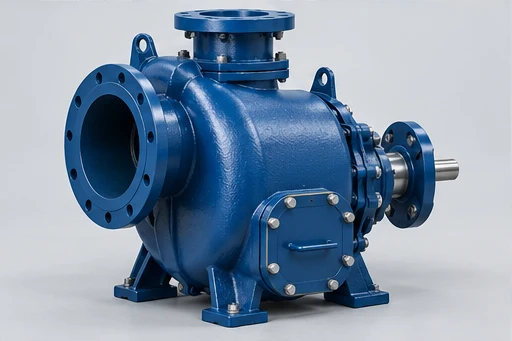
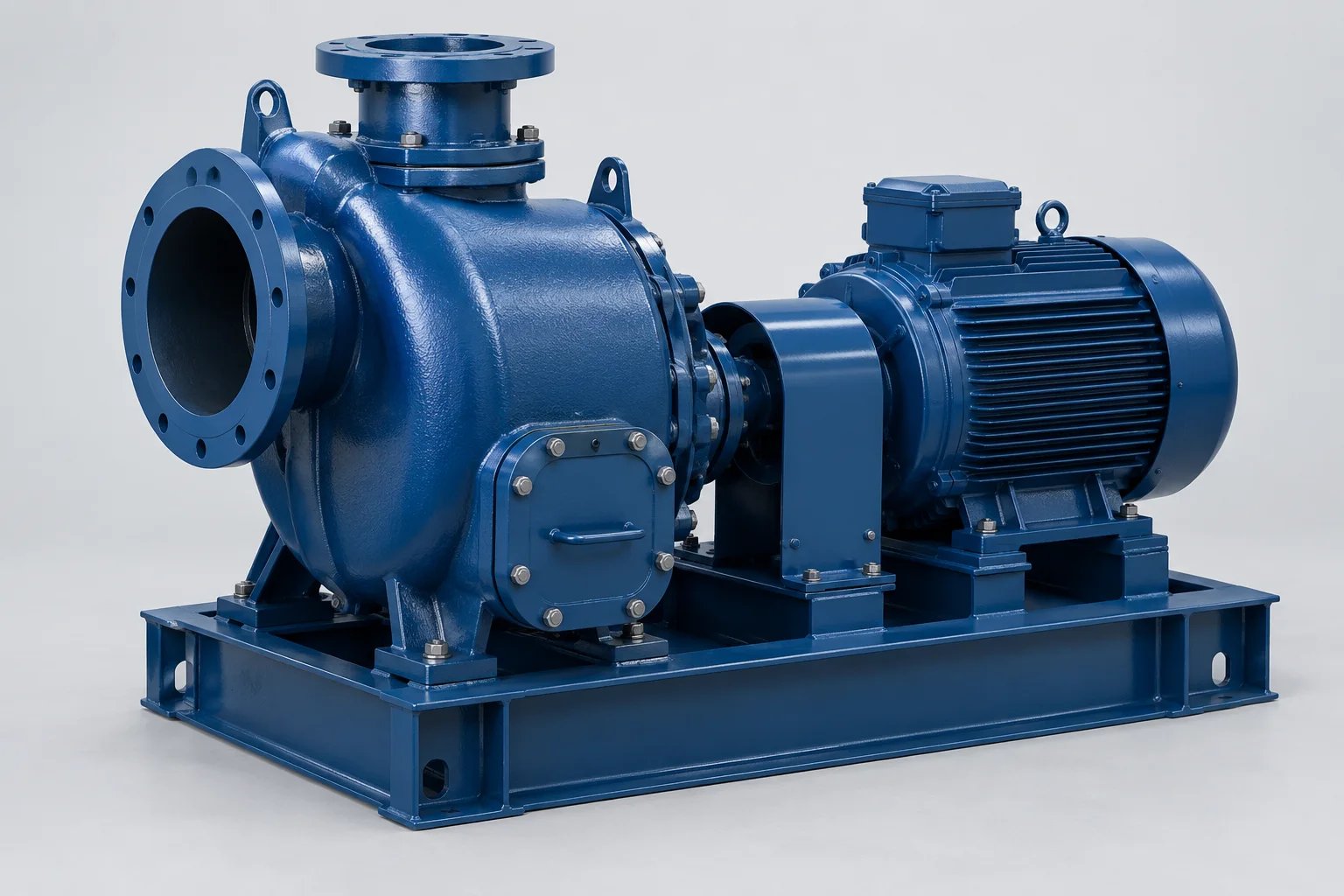
Self-Priming Trash Pump product-family illustration showing a typical pump arrangement
AI-generated family illustration — not a product photograph.

Self-Priming Trash Pump

Self-Priming Trash Pump

Debris handling with accessible field maintenance.

A surface-installed self-priming centrifugal pump with solids-handling passages and a serviceable cleanout arrangement. Review the debris and wear duty separately from suction lift and hydraulic performance.

Installation
Surface mounting with a sealed suction line and cleanout access
Wet end
Wear materials selected for debris, grit and water chemistry
Sealing
Shaft seal selected for water, solids and operating conditions
Drive
Electric or engine drive as specified
View public product reference ↗

Configuration review

Self-Priming Trash Pump selection requirements

Specify the operating requirement before selecting a model.

Define the selected configuration

A surface-installed self-priming centrifugal pump with solids-handling passages and a serviceable cleanout arrangement. Review the debris and wear duty separately from suction lift and hydraulic performance.

  • Water, grit, debris and maximum particle description
  • Required flow and total head
  • Suction lift, suction-line length and air leakage risks
  • Operating cycle and priming requirements
  • Drive, portability and service access
Request model-specific data

Request a hydraulic curve, arrangement drawing, wetted-material schedule and operating instructions for the proposed configuration. Broad public ranges do not establish a combined duty point.

Request a selection review

overview

Self-Priming Trash Pump construction and operation

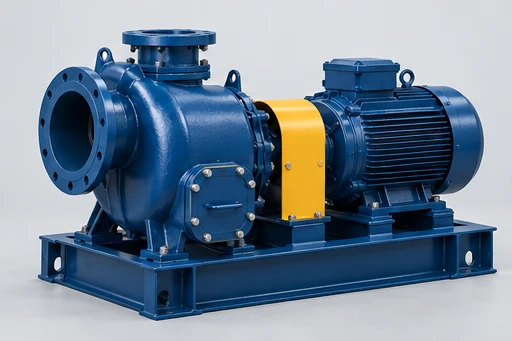
Self-Priming Trash Pump: illustrative pump assembly and construction

Self-priming solids-handling pump with cleanout access

The impeller transfers energy to the liquid through the pump casing. Final selection depends on the model curve, liquid properties, sealing arrangement, drive and piping conditions.

A surface-installed self-priming centrifugal pump with solids-handling passages and a serviceable cleanout arrangement. Review the debris and wear duty separately from suction lift and hydraulic performance.

  • Enlarged solids passages and cleanout access distinguish contractor trash service
  • Initial casing fill and suction-line integrity remain necessary for self-priming operation
  • Solids passage and wear limits are configuration-specific

AI-generated family illustrations. The selected configuration follows the agreed model and drawing.

construction

Components, materials and seals

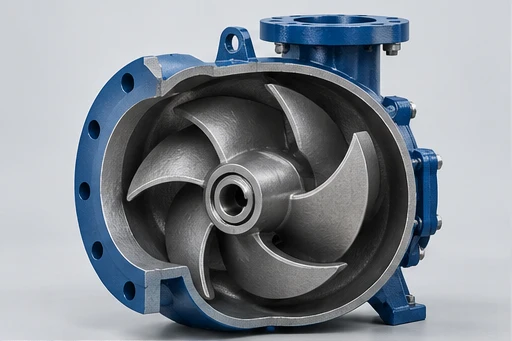
Solids-handling impeller concept for Self-Priming Trash Pump

Solids-handling impeller

Confirm passage, vane arrangement and permissible debris against the selected drawing.

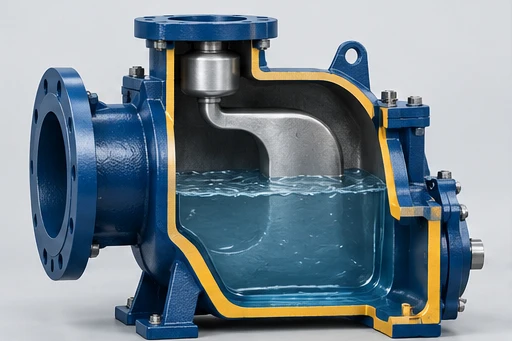
Priming chamber concept for Self-Priming Trash Pump

Priming chamber

Review retained liquid, initial fill, air handling and the suction-line layout.

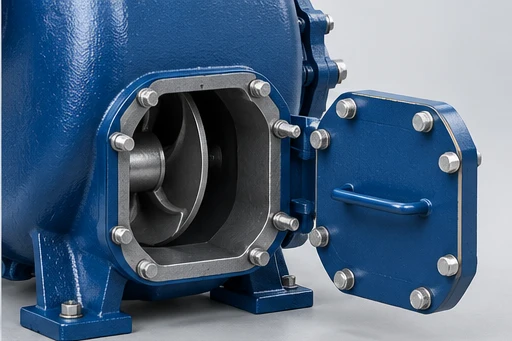
Cleanout access concept for Self-Priming Trash Pump

Cleanout access

Keep service-cover and rotating-assembly removal accessible. Include isolation and draining arrangements.

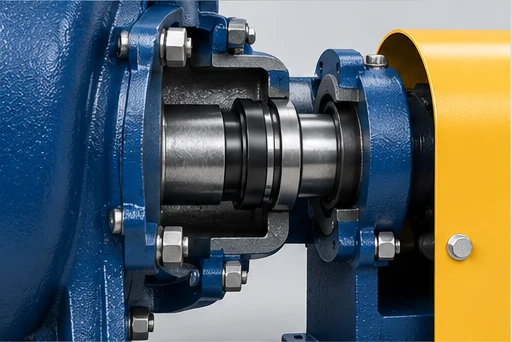
Drive & seal concept for Self-Priming Trash Pump

Drive & seal

Match the driver and seal with speed, abrasion, operating cycle and dry-running protection.

AI-generated family illustrations. The selected configuration follows the agreed model and drawing.

duty requirements

Materials, sealing & duty requirements

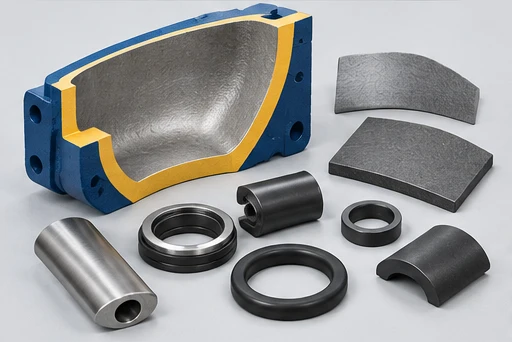
Self-Priming Trash Pump: illustrative wetted materials and sealing components

Review water, grit, debris and maximum particle description, required flow and total head, suction lift, suction-line length and air leakage risks, operating cycle and priming requirements, drive, portability and service access together with the liquid composition, temperature and installation. The values on a catalogue page are not a substitute for checking the selected model curve and approved arrangement.

Wetted componentsWear materials selected for debris, grit and water chemistry
SealingShaft seal selected for water, solids and operating conditions
Liquid / design limitsConfirm liquid composition, temperature, particles and operating conditions
Water, grit, debris and maximum particle descriptionInclude this information in the duty review and model selection
Required flow and total headInclude this information in the duty review and model selection
Suction lift, suction-line length and air leakage risksInclude this information in the duty review and model selection
Operating cycle and priming requirementsInclude this information in the duty review and model selection
Drive, portability and service accessInclude this information in the duty review and model selection

AI-generated family illustrations. The selected configuration follows the agreed model and drawing.

installation

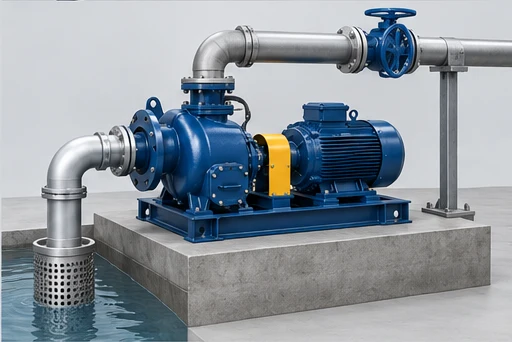
Installation & drive arrangement

Self-Priming Trash Pump: illustrative installation and drive arrangement

Priming & suction line

Provide the actual suction lift and pipe layout. Keep joints airtight and follow the selected manual for casing fill and start-up.

Debris & maintenance

Provide screens only where appropriate to the duty, and leave access for cleanout, draining and safe component removal.

Before installation

  • Foundation / mounting and pipe supports
  • Liquid supply and discharge connections
  • Electrical supply and maintenance access
Discuss the installation

AI-generated family illustrations. The selected configuration follows the agreed model and drawing.

applications

Typical applications

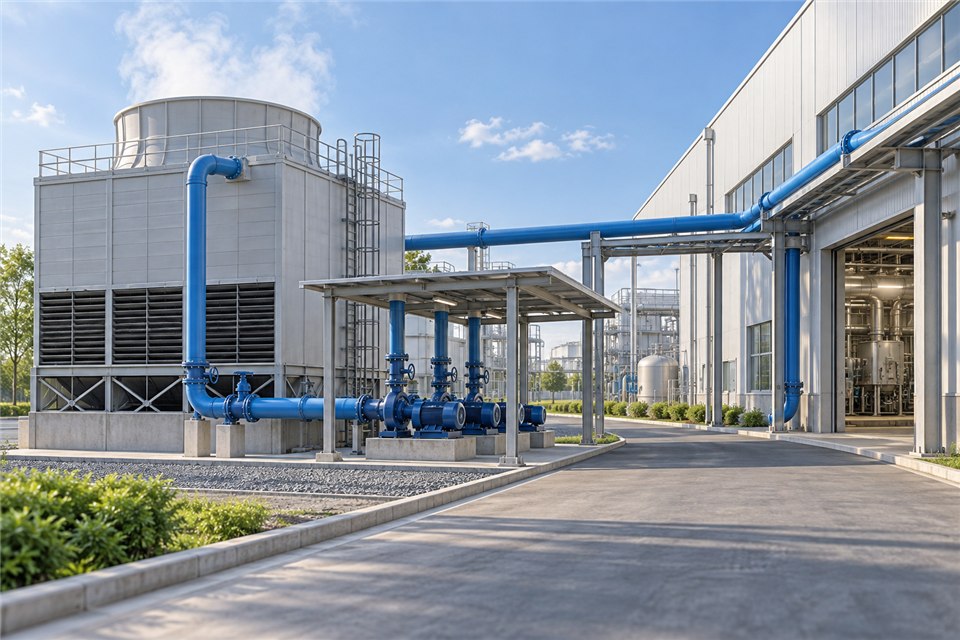
Application illustration: industrial cooling-water circulation

Construction dewatering

For construction dewatering, check the applicable product curve, liquid properties, required operating point and installation geometry. Check the proposed arrangement against surface mounting with a sealed suction line and cleanout access and wear materials selected for debris, grit and water chemistry, then verify the operating point on the selected model curve.

Mining pit drainage

For mining pit drainage, confirm the operating liquid levels, mounting geometry, immersion and removal access. Check the proposed arrangement against surface mounting with a sealed suction line and cleanout access and wear materials selected for debris, grit and water chemistry, then verify the operating point on the selected model curve.

Temporary water bypass

For temporary water bypass, check the applicable product curve, liquid properties, required operating point and installation geometry. Check the proposed arrangement against surface mounting with a sealed suction line and cleanout access and wear materials selected for debris, grit and water chemistry, then verify the operating point on the selected model curve.

supply scope

Choose the supply scope for this pump

Define the pump configuration, installation interfaces, controls and documents in the quotation.

Pump assembly illustration for Self-Priming Trash Pump

Pump assembly

Hydraulic end, materials, sealing and interfaces for your driver or installation.

Electric pump set illustration for Self-Priming Trash Pump

Electric pump set

Pump and matched motor, coupling / transmission, base and guarding as applicable.

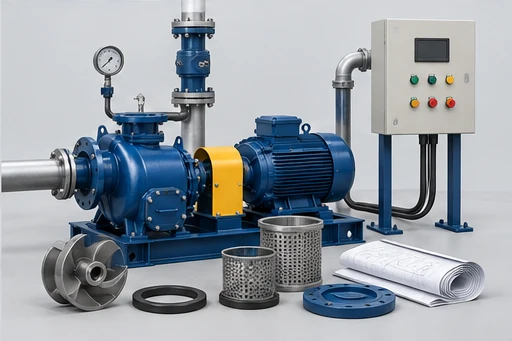
Installation & controls illustration for Self-Priming Trash Pump

Installation & controls

Agreed supports, controls, auxiliaries, spares and technical documents.

AI-generated family illustrations. The selected configuration follows the agreed model and drawing.

manufacturing

From preparation to shipment

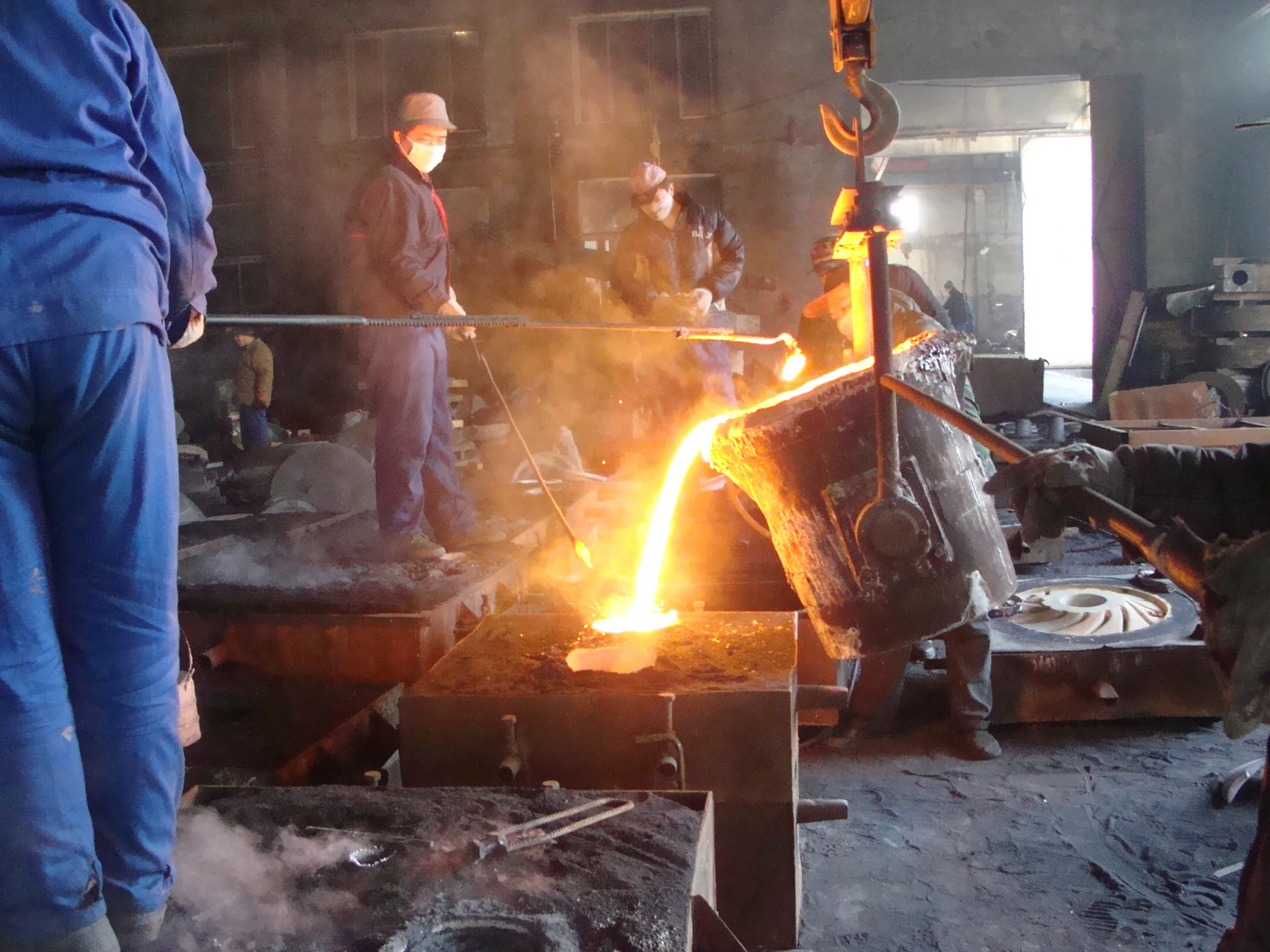
Foundry workers pouring molten metal into a pump-component mold

Casting of pump components

Casting produces pump components to the construction and material requirements of the selected equipment. The applicable alloy, pattern and component geometry depend on the pump family and the agreed operating conditions.

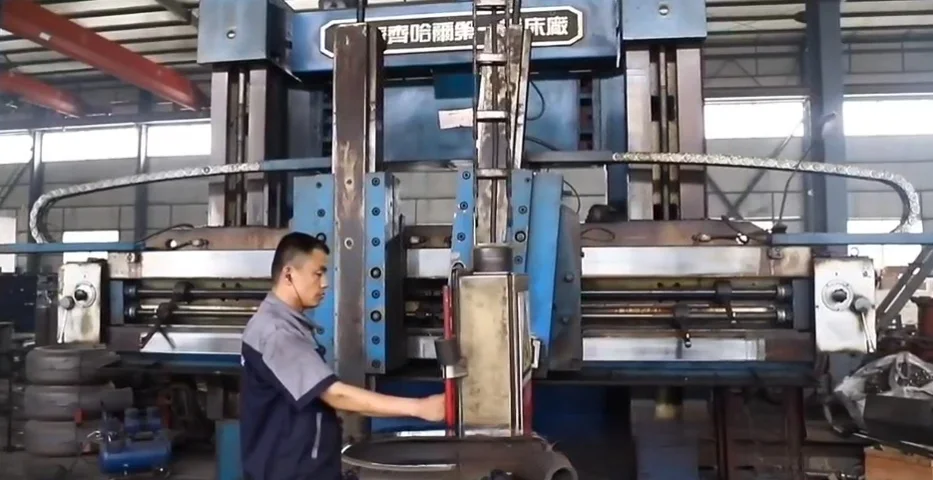
Operator working at a large machining machine in the workshop

Finish machining

Machining prepares mounting faces, bores, fits and connection interfaces for assembly. OEM parts should be reviewed against the approved drawing and revision, including the dimensions that determine interchange and installation.

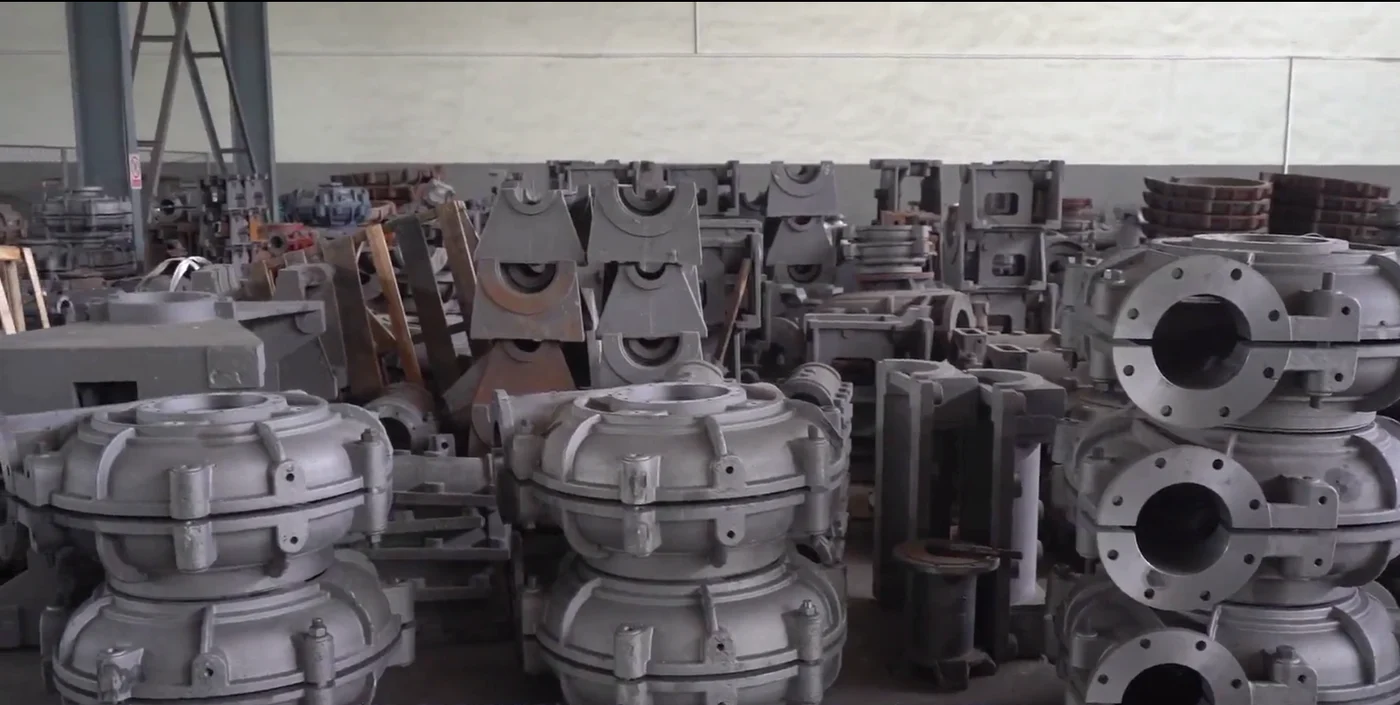
Pump castings staged for manufacturing

Component handling & staging

Owner-supplied factory photograph showing pump castings staged in a work area. The exact parts and process route depend on the selected order.

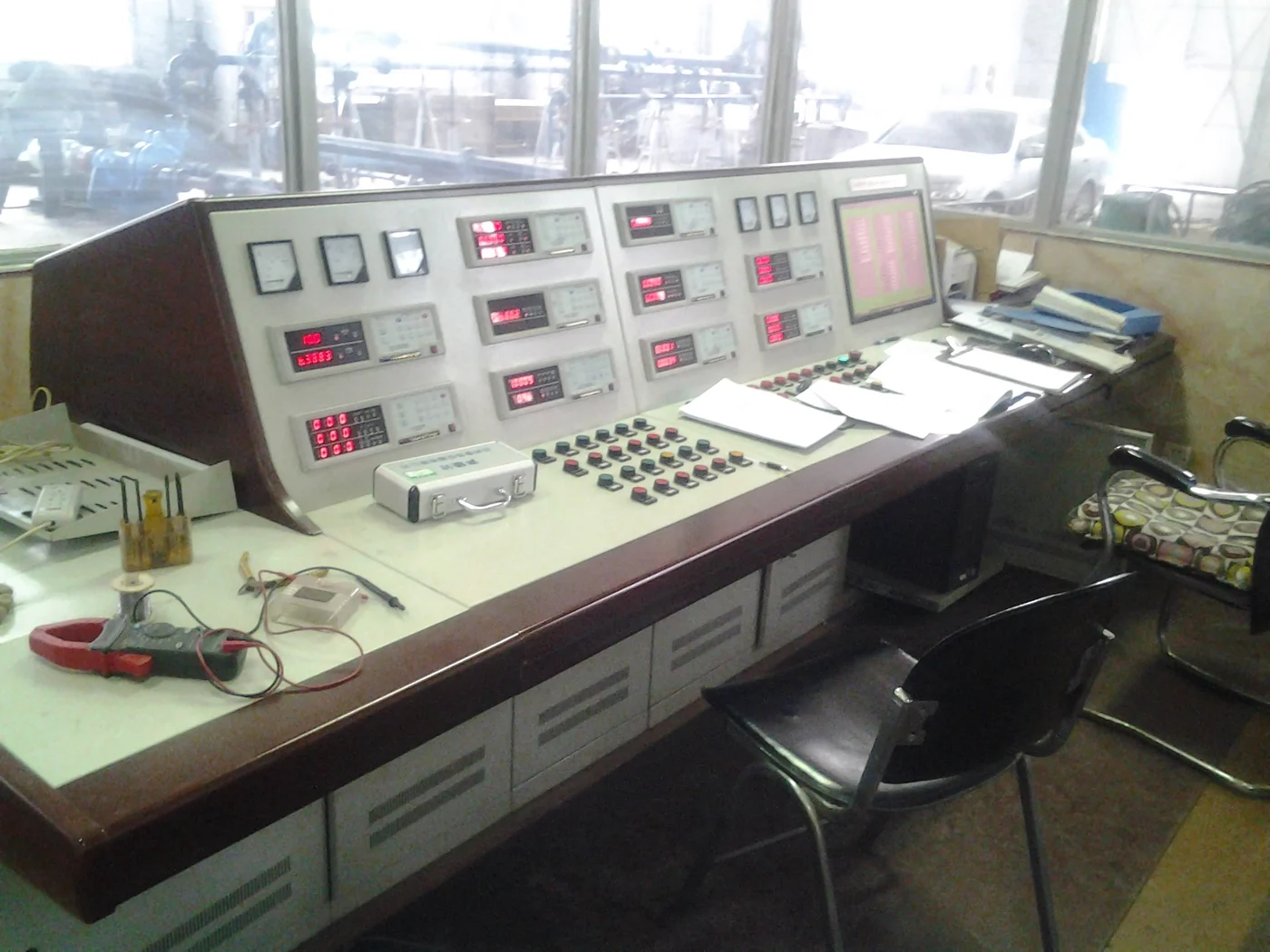
Factory test-control equipment

Inspection equipment & controls

Owner-supplied factory photograph showing test-control equipment. The inspection points and acceptance records must be agreed for the selected equipment.

View manufacturing

Technical references

Technical documents

Public product reference

The owner-selected reference identifies the product direction. Ratings, material availability and approvals must be confirmed for the quoted equipment.

View product reference

Model-specific curves & drawings

Request the selected performance curve, installation drawing, material schedule, operating manual and agreed inspection records.

Request technical documents

questions

Self-Priming Trash Pump FAQs

What information is needed for selection?

Water, grit, debris and maximum particle description; Required flow and total head; Suction lift, suction-line length and air leakage risks; Operating cycle and priming requirements; Drive, portability and service access.

Which materials and sealing can be supplied?

Wear materials selected for debris, grit and water chemistry. Shaft seal selected for water, solids and operating conditions. Confirm compatibility with the complete liquid composition and temperature.

Are public ranges a selected model duty?

The public reference describes this product direction. Request a model-specific curve, arrangement drawing and material schedule; public range and certification statements are not model approval.

What is included in the delivery?

Confirm pump, driver, controls, auxiliaries, spares, drawings, manuals and required test records in the agreed quotation.

enquiry

Tell us about your pump duty

Describe the liquid, required output and site arrangement so BBP can review the model and equipment scope.

  • Water, grit, debris and maximum particle description
  • Required flow and total head
  • Suction lift, suction-line length and air leakage risks
  • Operating cycle and priming requirements
  • Drive, portability and service access
contact@bbpmfg.com
+86 182 1085 0516

Please enter your name.
Please enter your requirements.
0/5000
Please confirm that we may respond to your enquiry.