
End Suction vs Split Case Pumps
End-suction and split-case describe different pump arrangements. Start with a common duty and site record, then compare the proposed models, installation requirements and supply scope.
The key decision
Neither arrangement wins every project. Use model-specific data and drawings to decide whether the hydraulic duty, inlet conditions and maintenance access fit your site.
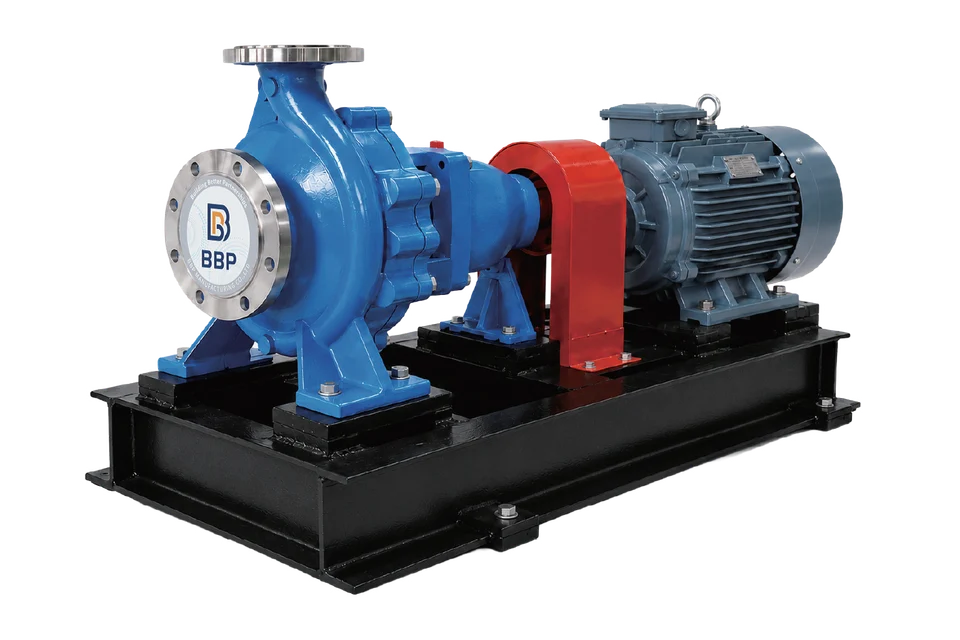
QI end-suction water pump — brochure photograph.
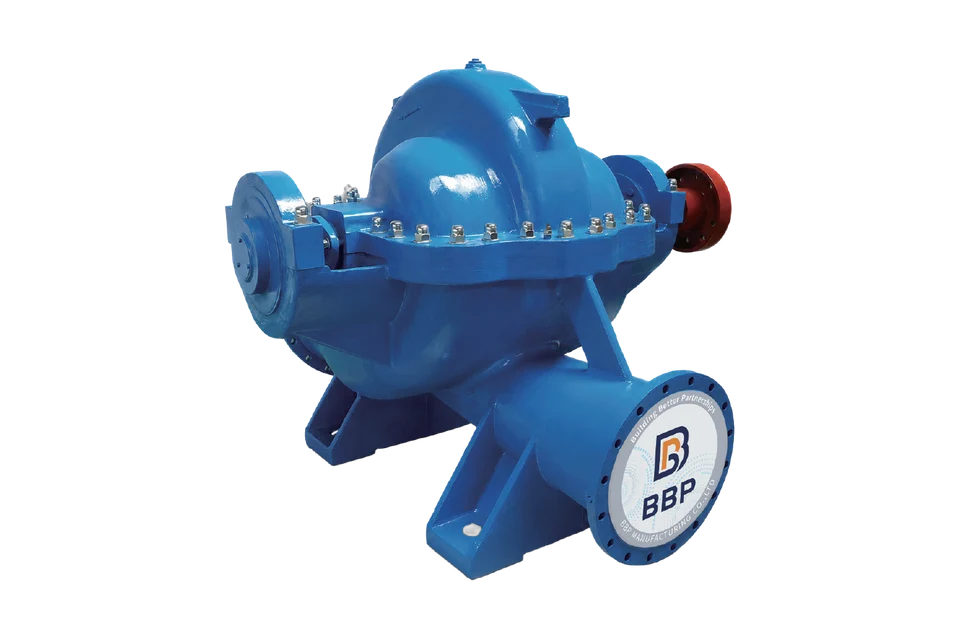
QS double-suction split-case pump — brochure photograph.
1. Understand the two arrangements.
The BBP range presents QI as an end-suction water-pump direction and QS as a double-suction split-case direction. Use these distinctions to organise the comparison, while keeping the final model selection tied to a curve and arrangement drawing.
| Question | QI end-suction direction | QS split-case direction |
|---|---|---|
| How is the family described? | End-suction water pump. | Double-suction split-case water pump. |
| Where should comparison begin? | Required duty and the available installation envelope. | Required duty and the available installation envelope. |
| What must be verified? | Model curve, inlet condition, connections and maintenance access. | Model curve, inlet condition, connections and casing access. |
A family description is useful for browsing. It does not establish an efficiency ranking, a guaranteed operating range or a universal replacement rule.
2. Compare both proposals at the same condition.
Give each supplier the same liquid, temperature, flow and head record. Where demand changes, include the normal and limiting conditions. Compare the proposed duty points on the relevant curves, including speed and impeller or stage configuration as applicable.
Review efficiency and required power at the stated duty, rather than comparing a headline maximum. Identify the scope of the motor or drive and the basis of any energy estimate. Differences in operating hours or control assumptions can make two estimates incomparable.
3. Check the whole installation envelope.
Lay the proposed arrangement drawing over the site requirements. Include the pump, motor, base, connection positions and the space required for maintenance. A compact footprint is not useful if it leaves insufficient access to remove the component that needs servicing.
- Suction and discharge connection sizes, directions and elevations.
- Available inlet conditions and the proposed model requirements.
- Foundation and base arrangement.
- Access for inspection, dismantling and lifting.
- Power supply, starting method and control interfaces.
For a replacement, identify any pipework or foundation changes separately from the pump price.
4. Compare quotations line by line.
Create a short comparison register with one row per requirement. Record the offered model, duty basis, materials, sealing, drive, documents and inspection items. Mark each row as matched, different or unresolved.
Ask for the document revision that closes an open item. Keep optional equipment and exclusions visible. A lower equipment price may describe a different supply boundary, so settle that boundary before making a price comparison.
Use technical clarification support to organise questions about an offered model or drawing.
5. Open the product direction with your comparison record.
Start with Centrifugal Water Pumps for the QI direction or Split Case Pumps for the QS direction. Attach the same duty and site record when asking about either option.
Decision record to retain
Selected model and curve revision · agreed duty · inlet review · installation drawing · materials and sealing · drive and controls · required documents · remaining open items.
Frequently asked questions
Is a split-case pump always more efficient?
Compare the actual proposed models at the same duty and operating pattern. The arrangement name alone cannot establish an efficiency ranking.
Can I choose by pipe connection size?
Connection size is only one interface. Check the hydraulic duty, inlet conditions, dimensions and required installation changes.
Which option is easier to maintain?
Review the model-specific maintenance procedure and the access available on your site. Compare the actual dismantling and lifting requirements.
Sources and further reading
General references used for this guide. Review the applicable model data and project requirements for your own duty.